
The success of any poultry business begins long before chicks enter the brooder. It starts inside the hatchery. Proper hatchery management, combined with modern incubation technology, plays an important role in hatchability, chick quality, and overall profitability.
In today’s competitive poultry industry, understanding how hatcheries work and using the right incubation systems can make a significant difference to production efficiency and business performance.
What Is a Hatchery?
A hatchery is a controlled environment where fertilized eggs are incubated under specific conditions until they hatch into healthy chicks. Unlike table eggs intended for consumption, hatchery eggs come from parent stock birds bred to produce fertile eggs.
These eggs require carefully managed temperature, humidity, ventilation, and egg turning to support proper embryo development.
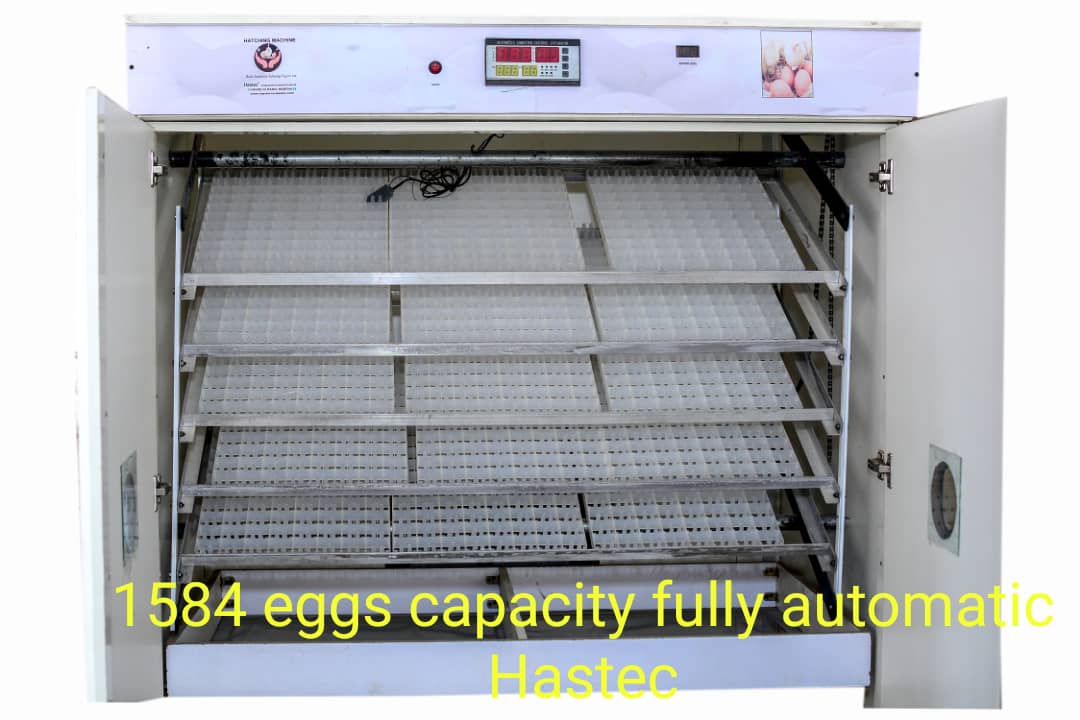
Why it matters: The Nigerian-made Hastec Automatic Egg Incubator is designed to provide controlled incubation conditions to support efficient hatchery operations.
The Importance of Hatchery Management
Hatchery management involves systematically controlling the factors that influence egg incubation and chick hatching. Poor management can lead to:
- Low hatch rates.
- Weak or deformed chicks.
- High embryo mortality.
- Financial losses.
Effective hatchery management helps poultry farmers work towards:
- Higher hatchability.
- Strong, uniform chicks.
- Reduced wastage.
- More predictable production cycles.
Key Stages of Hatchery Management
1. Egg Selection and Handling
Only suitable, clean, well-shaped fertilized eggs should be selected for incubation. Proper selection and handling help protect the developing embryo.
- Collect eggs frequently.
- Store eggs under appropriate conditions.
- Handle eggs carefully to avoid damage to the embryo.
2. Incubation Period: Days 1–18
This is a critical phase of hatchery operation. During incubation, the developing embryo requires stable environmental conditions.
- Temperature: Maintain an appropriate incubation temperature, commonly around 37.5°C for chicken eggs, according to the incubator and operating guidelines.
- Humidity: Regulate humidity according to the incubation stage and egg requirements.
- Egg turning: Turn eggs regularly to help prevent the developing embryo from sticking to the inner shell membrane.
- Ventilation: Provide adequate airflow and oxygen for embryo development.
3. Hatching Period: Days 19–21
During the final stage of chicken egg incubation, the incubator settings need to be adjusted for hatching.
- Stop egg turning according to the incubator's operating instructions.
- Increase humidity to the appropriate hatching level.
- Allow chicks to position themselves for pipping and hatching.
Proper hatchery management and suitable incubation technology help support a smoother and more uniform hatching process.
4. Chick Removal and Assessment
After hatching, chicks should be handled carefully and assessed before being transferred to the brooder or prepared for sale.
- Allow chicks to dry adequately.
- Identify and separate weak or unhealthy chicks for appropriate assessment.
- Prepare healthy chicks for brooding, transportation, or sale.
Remember: Successful hatchery management focuses on chick quality as well as the number of eggs hatched.
The Role of Hatchery Technology in Modern Poultry Farming
Traditional incubation methods often depend heavily on manual monitoring and adjustments. Modern hatchery technology helps automate important processes and improve consistency.
Automatic Temperature and Humidity Control
Automatic controls help maintain the required incubation environment and reduce fluctuations that may negatively affect embryo development.
Automatic Egg Turning
Automatic egg-turning mechanisms reduce the need for constant manual turning and help maintain a regular turning schedule.
Energy-Efficient Systems
Energy efficiency is an important consideration when choosing incubation equipment, particularly where electricity supply can be inconsistent. Farmers should assess the equipment's power requirements and available backup options.
Digital Monitoring
Digital monitoring makes it easier to check important incubation conditions and respond when adjustments are necessary.
Why Technology Matters in Hatchery Success
When combined with good management practices, suitable hatchery technology can help farmers:
- Improve hatchery efficiency and work towards better hatchability.
- Support the production of healthy chicks.
- Save time and reduce routine manual work.
- Manage production more consistently.
- Improve the potential return on their investment.
For commercial hatcheries and small-scale poultry farmers alike, choosing suitable equipment and using it correctly are important steps towards sustainable production.
Common Hatchery Management Mistakes to Avoid
Several avoidable mistakes can affect hatchery performance. These include:
- Using table eggs instead of suitable fertilized eggs.
- Poor temperature control.
- Inadequate humidity management.
- Irregular or incorrect egg turning.
- Poor ventilation.
- Neglecting routine maintenance and cleaning.
- Operating equipment without adequate technical guidance.
Preventing these problems requires good operating procedures, regular monitoring, proper maintenance, and suitable incubation equipment.
Choosing the Right Incubator for Your Hatchery
Selecting an incubator is an important decision for any poultry farmer. Consider the following factors before making a purchase:
- Capacity: Choose a capacity that matches your production needs, from models accommodating 264 eggs to 1,056 eggs or more, depending on the available model.
- Build quality: Look for durable construction and equipment designed for regular operation.
- Temperature and humidity control: Consider the accuracy and reliability of the control system.
- Local technical support: Check the availability of installation assistance, training, spare parts, and after-sales support.
- Maintenance: Choose equipment that can be inspected, cleaned, and maintained appropriately.
- Power requirements: Understand the equipment's energy consumption and plan for possible power interruptions.
Make an informed investment. The right incubator should match your hatchery's capacity, operating requirements, available resources, and long-term production goals.
How Hastec Incubation Technology Supports Hatchery Success
At Hastec Incubation Technology Nigeria Limited, we combine over 15 years of experience with modern engineering to support poultry farmers and hatchery operators.
Our services and solutions include:
- Durable automatic poultry incubators.
- Incubation equipment designed to support effective hatchery operations.
- Hatchery setup and installation.
- Training and technical support.
- Nationwide delivery and after-sales service.
We support farmers from egg setting through chick hatching, helping them build more consistent hatchery processes and work towards long-term profitability.
Conclusion
Successful poultry farming starts in the hatchery. Proper egg selection, careful handling, controlled incubation conditions, and effective chick management all contribute to better hatchery operations.
By combining sound management practices with suitable modern incubation technology, poultry farmers can work towards improved productivity, healthier chicks, reduced wastage, and a more sustainable business.
Investing in the right incubation system and obtaining appropriate technical support are important steps towards building a successful hatchery.
Ready to Build a Successful Hatchery?
Let Hastec Incubation Technology Nigeria Limited help you take the next step in your poultry farming journey with automatic egg incubators, hatchery setup, installation, training, and technical support.
Hatch profit, not problems.
WhatsApp / Call: 09049459624
Email: info@hastec.com.ng
Take me through step by step in poultry farming journey